
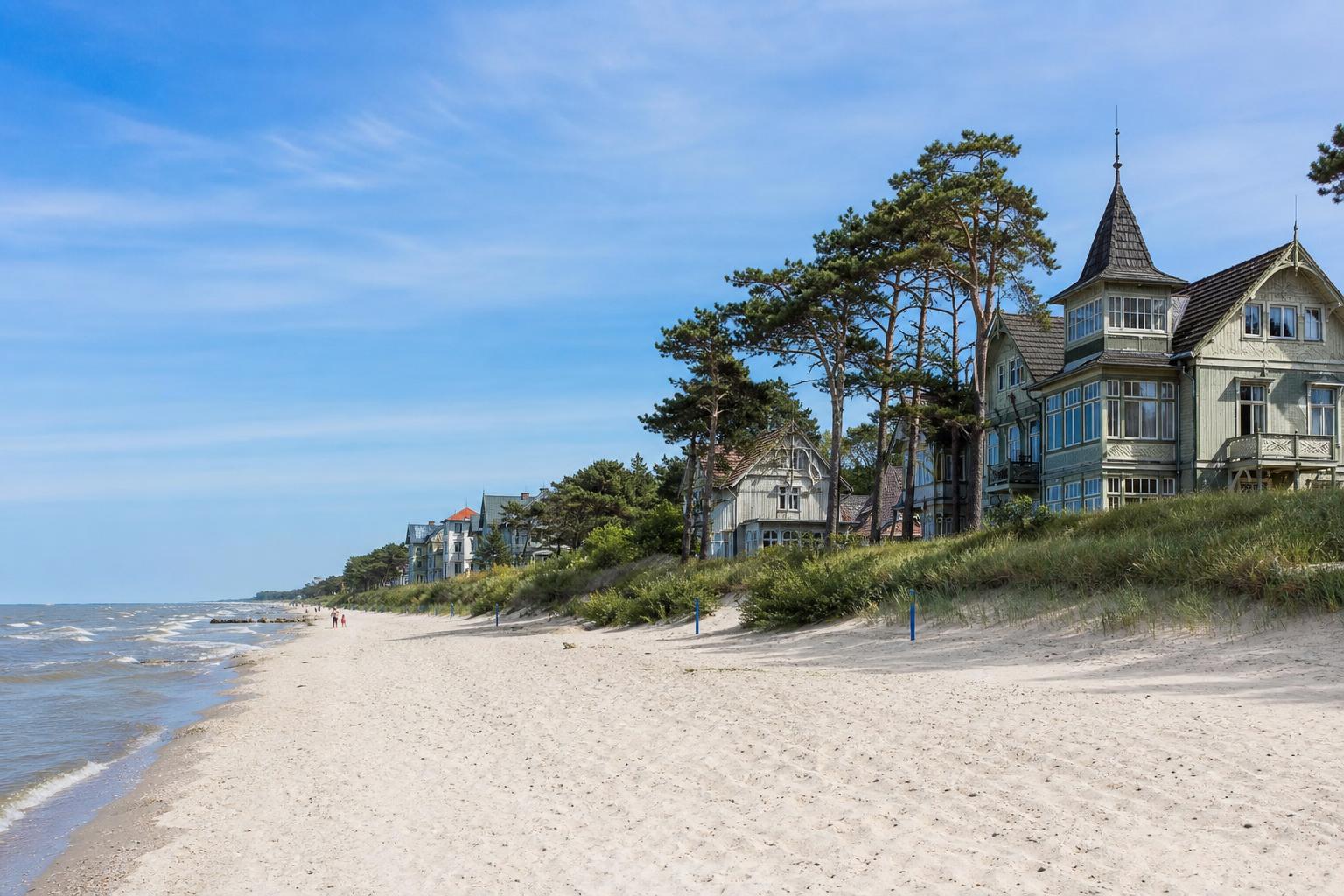
Liepāja — City Where the Wind Is Born
Latvia's Baltic seaside city: white-sand Blue Flag beach, Art Nouveau quarter, and the unique Karosta naval port.
About this destination
Liepāja stretches along 8 km of white-sand Blue Flag beach backed by pine forest and timber Art Nouveau villas. The Karosta district — a former tsarist and Soviet closed naval port — houses the Karosta Prison (where you can stay overnight as a 'prisoner'), the Northern Forts and St Nicholas Naval Cathedral. The Great Amber concert hall hosts Latvia's symphony, and the city is known as the cradle of Latvian rock music.
Best time to visit
June–August for beach; year-round for music and architecture.
Why a private transfer
3 h drive from Riga, 1 h from Palanga airport. Direct, fixed-price chauffeur — much easier than the bus with luggage.
Official information
Nearby airports
- Liepāja (LPX)7 km away
- Riga (RIX)220 km away
- Palanga (PLQ)65 km away
Available vehicle classes
Choose the vehicle that fits your trip

Economy
Skoda Superb or equivalent

Business
Mercedes E-Class

First Class
Mercedes S-Class

Van / Group
Mercedes V-Class
Specialist desks for this destination
Whether you arrive by jet, yacht or cruise — or book on someone else's behalf — there is a dedicated workflow for you.
Corporate Accounts
Monthly billing, duty-of-care reporting, negotiated tariffs.
Learn more →Cruise Port Transfers
Pier-side meet, shore excursions, manifest billing.
Learn more →For Executive Assistants
One thread, one invoice, one named dispatcher per principal.
Learn more →Private Jet & VIP
Apron-side meet, FBO coordination, tail-number tracking.
Learn more →Nearby destinations
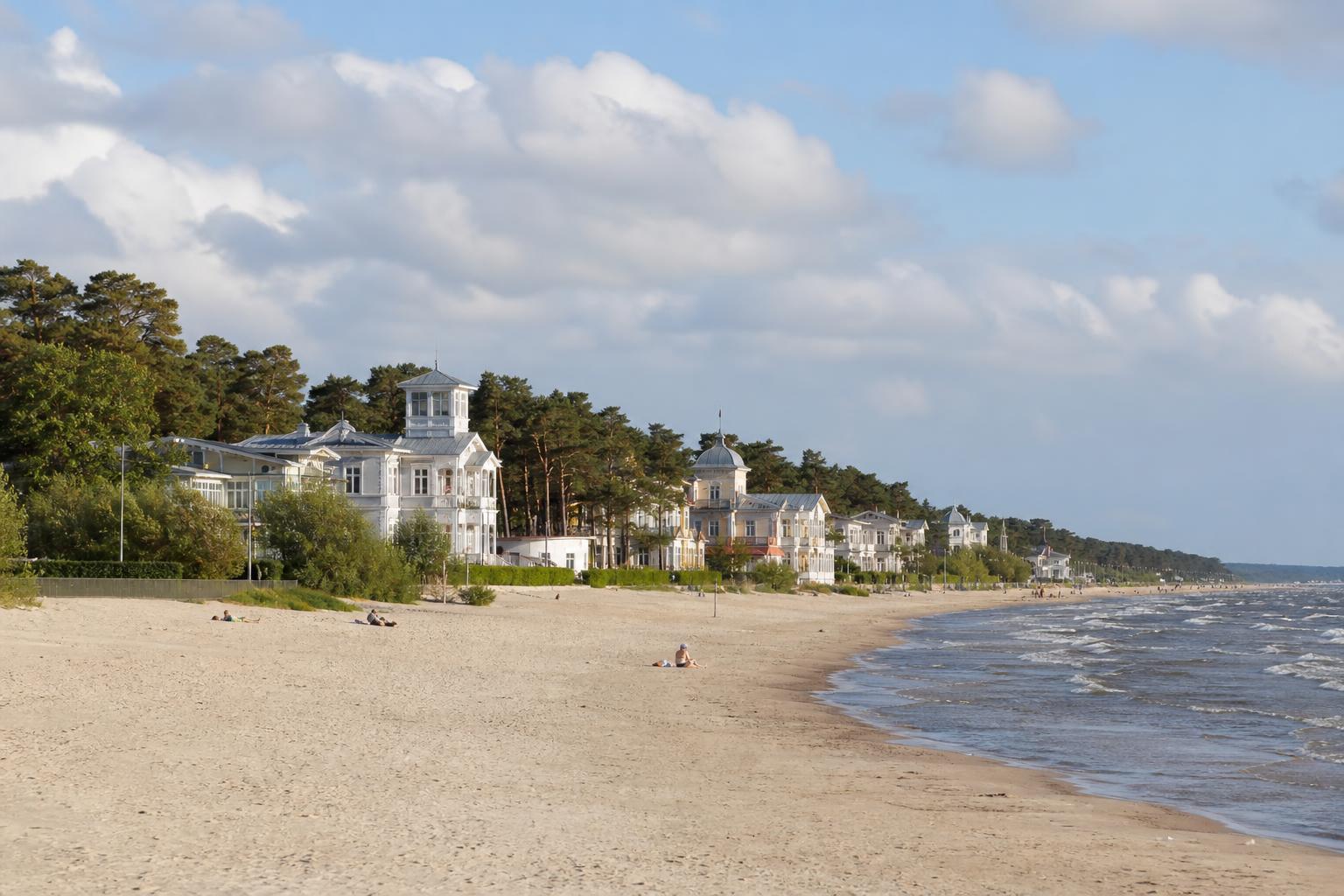
Jūrmala
33 km of white-sand Baltic beach backed by pine forest and art-nouveau wooden villas — Latvia's historic spa town, 20 km from Riga.
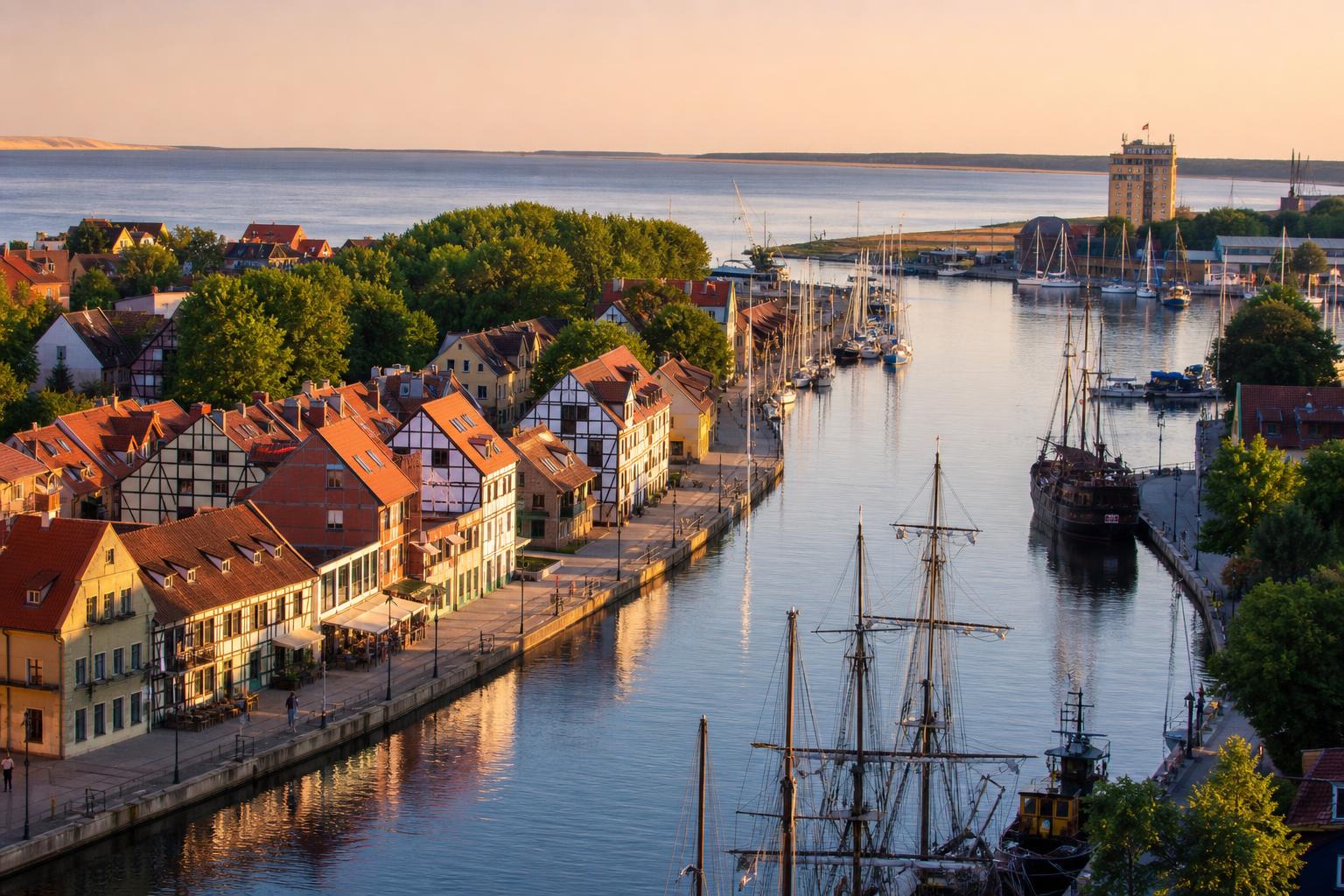
Klaipėda
Half-timbered old town on the Dane river, a working tall-ship harbour and the ferry to the UNESCO-listed Curonian Spit dunes.
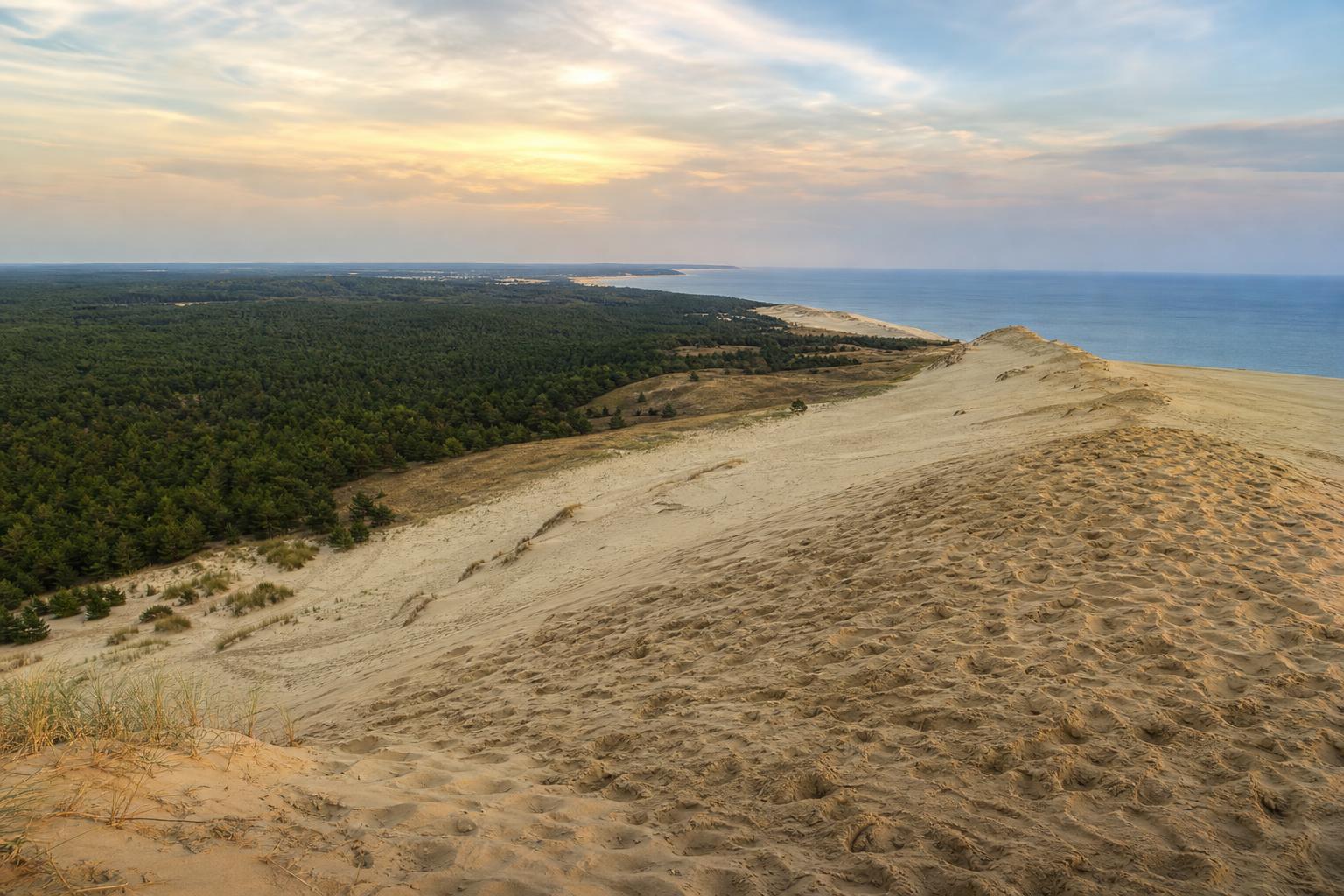
Curonian Spit
A 98 km sandbar of giant dunes, pine forest and fishing villages between the Baltic Sea and the Curonian Lagoon (UNESCO 2000).